

15 Essential Features to Look for in Barefoot Hiking Boots
Embarking on a barefoot hiking journey can be an invigorating way to connect with nature, offering a more authentic trail experience. With barefoot hiking gaining popularity, selecting the right pair of hiking boots is essential for both comfort and safety. In this guide, we'll delve into the key features you should consider when choosing the perfect barefoot hiking boots.
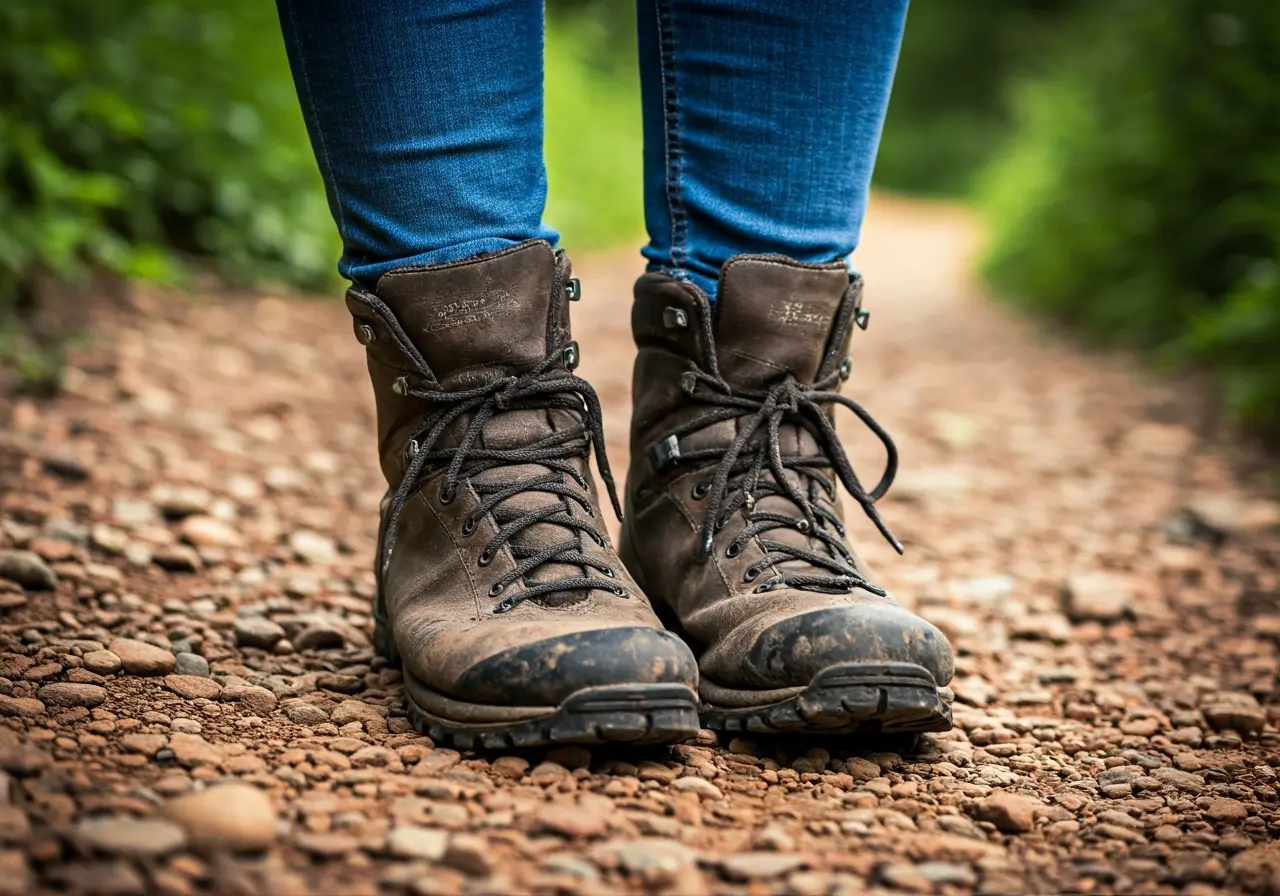
1. Flexible Sole for Natural Movement
A flexible sole is vital to allow your foot to move naturally, mimicking the barefoot experience. This feature helps in engaging your foot muscles effectively while hiking. The importance of flexibility cannot be understated as it enhances your interaction with the terrain, making it possible to adjust your footing instinctively. This is crucial when navigating through rocky or uneven surfaces where a more rigid sole could lead to discomfort or imbalance. Many hikers have found that flexible soles contribute to less fatigue, allowing for longer and more enjoyable hikes, as your feet work in harmony with the trail.
2. Zero Drop Design
Zero drop design ensures that there is no height difference between the heel and toe, promoting a natural stride and improving posture. It's fundamental in barefoot footwear. By allowing the foot to lay flat, it simulates the natural biomechanics of walking barefoot, which can reduce the risk of injury and enhance stability. Many hikers report a significant difference in their overall comfort and walking mechanics when using zero drop footwear, noting improvements in foot alignment and less strain on the joints.
The design is not just about comfort; it also encourages a more mid-foot strike, which is more efficient and less jarring than a heel-first approach. For those new to the concept, incorporating zero drop footwear into their routine might take some adjustment, but the long-term benefits to posture and natural gait more than make up for the initial transition period.
3. Wide Toe Box for Splay
A wide toe box permits toe splay, offering better balance and stability on uneven trails. This design prevents cramped toes and enhances overall comfort. When your toes are allowed the space to spread naturally, it can lead to improved balance and reduced pressure on each individual toe, which can be especially beneficial on extended hikes. The additional room can prevent common foot issues such as blisters, calluses, and other painful conditions that can hinder your hiking experience.
Many barefoot hiking enthusiasts appreciate this feature for the freedom it provides. A spacious toe box adapts to your natural foot shape, allowing for a more relaxed fit that contributes to overall foot health. As such, ensuring your barefoot hiking boots have a sufficiently wide toe box is a smart move for anyone looking to maximize comfort and performance on the trails.
4. Breathable Materials
Opt for boots made from breathable materials to keep your feet cool and dry. Good ventilation helps prevent odors and maintains foot health during long hikes. Breathability is crucial, as it allows moisture from sweat to escape, reducing the likelihood of blisters and fungal infections, which can be a common hike-ender. Additionally, breathable materials can significantly enhance your comfort level, as they adapt to varying weather conditions, providing warmth in cooler climates and a refreshing airflow in warmer ones.
The choice of breathable materials can also impact the overall weight of the boot. For example, synthetic fabrics like mesh are often lighter than traditional leather, offering a modern solution to keep feet dry and comfortable. When shopping for your perfect pair, consider the material's breathability as a priority to help maintain your feet's health and comfort level throughout your hiking adventures.
5. Lightweight Construction
Lightweight boots reduce fatigue, making them ideal for long treks. The reduced weight allows for a more natural walking motion, crucial in barefoot hiking. Incorporating lightweight materials in construction, like EVA foam midsoles and breathable mesh, helps cut down on unnecessary bulk while maintaining the durability and support your feet need.
Many hikers find that lighter boots facilitate a quicker pace and make ascending and descending hills feel more manageable. This is particularly critical for those aiming to cover more ground comfortably. As you explore different options, consider how a lightweight boot design can elevate your barefoot hiking experience, providing you with agility and the freedom to enjoy every step along the trail.
6. Durable and Grippy Outsole
A durable, grippy outsole provides the traction needed on various terrains, while still being thin enough to provide ground feedback, an important aspect of barefoot hiking. With intricate designs and patterns on the sole, these boots balance durability and grip, helping you navigate slippery mud, loose gravel, and steep inclines with confidence.
The most innovative outsoles utilize advanced rubber compounds that increase friction and improve grip, even on wet surfaces. A durable outsole also means that your boots will last longer, withstanding the wear and tear of multiple hikes. Consider researching boots with a high-performing outsole to ensure safety and stability on every trail.
7. Minimalist Padding
While some cushioning might be needed for rough terrains, minimalist padding ensures you remain connected to the environment, enhancing sensory feedback and balance. By opting for a minimalist approach, you stay true to the barefoot philosophy, where the objective is to strengthen your feet by allowing them to work naturally.
Minimalist padding not only helps in maintaining balance but also promotes better foot health by fostering muscle engagement. Many hikers transitioning from traditional hiking boots find that minimalist padding provides a gentler introduction to barefoot hiking, minimizing the initial shock and making for a smoother transition. This approach empowers your foot's natural strength and endurance for sustained adventures.
8. Water Resistance
Water-resistant boots keep your feet dry during wet conditions or shallow water crossings without compromising on breathability and flexibility. This feature offers protection from the elements, ensuring that your feet remain dry and comfortable.
It's important to differentiate between waterproof and water-resistant materials. While waterproof may sound advantageous, it often sacrifices breathability. Thus, for barefoot hikers, finding boots with a balanced water resistance feature is key, offering protection while upholding the essential breathability needed for a true barefoot experience.
9. Easy Lacing System
An easy and secure lacing system is essential for quick adjustments and a snug fit, preventing blisters and ensuring focused exploration without interruptions. When your boots can be easily adjusted, you can achieve the optimal fit, which helps in preventing pressure points and allows a more natural foot movement.
This convenience becomes especially crucial during extended hikes when minor adjustments can vastly improve comfort. Look for innovative lacing systems that provide simplicity and efficiency, ensuring your boots fit as comfortably at the end of the hike as they did the moment you put them on.
10. Eco-Friendly Materials
Choosing boots made from eco-friendly materials supports sustainability and reduces environmental impact, reflecting the values of many nature-centered enthusiasts. Many manufacturers are now using recycled and sustainable materials in boot production without compromising on quality or performance.
From plant-based dyes to recycled plastics, there are numerous options for ensuring your equipment leaves a minimal footprint on the planet. As consumers become increasingly aware of their environmental impact, selecting eco-friendly hiking gear is a step toward a more sustainable future. It's a choice that aligns your hiking gear with the principles of respect and preservation for the great outdoors you love to explore.


- Choosing a selection results in a full page refresh.
!