

Can Barefoot Hiking Boots Improve Your Outdoor Experience?
If you love hiking, you’ve probably heard about barefoot hiking boots. But do they really enhance your outdoor adventures? In this guide, we’ll explore everything you need to know to decide if these shoes are right for you.
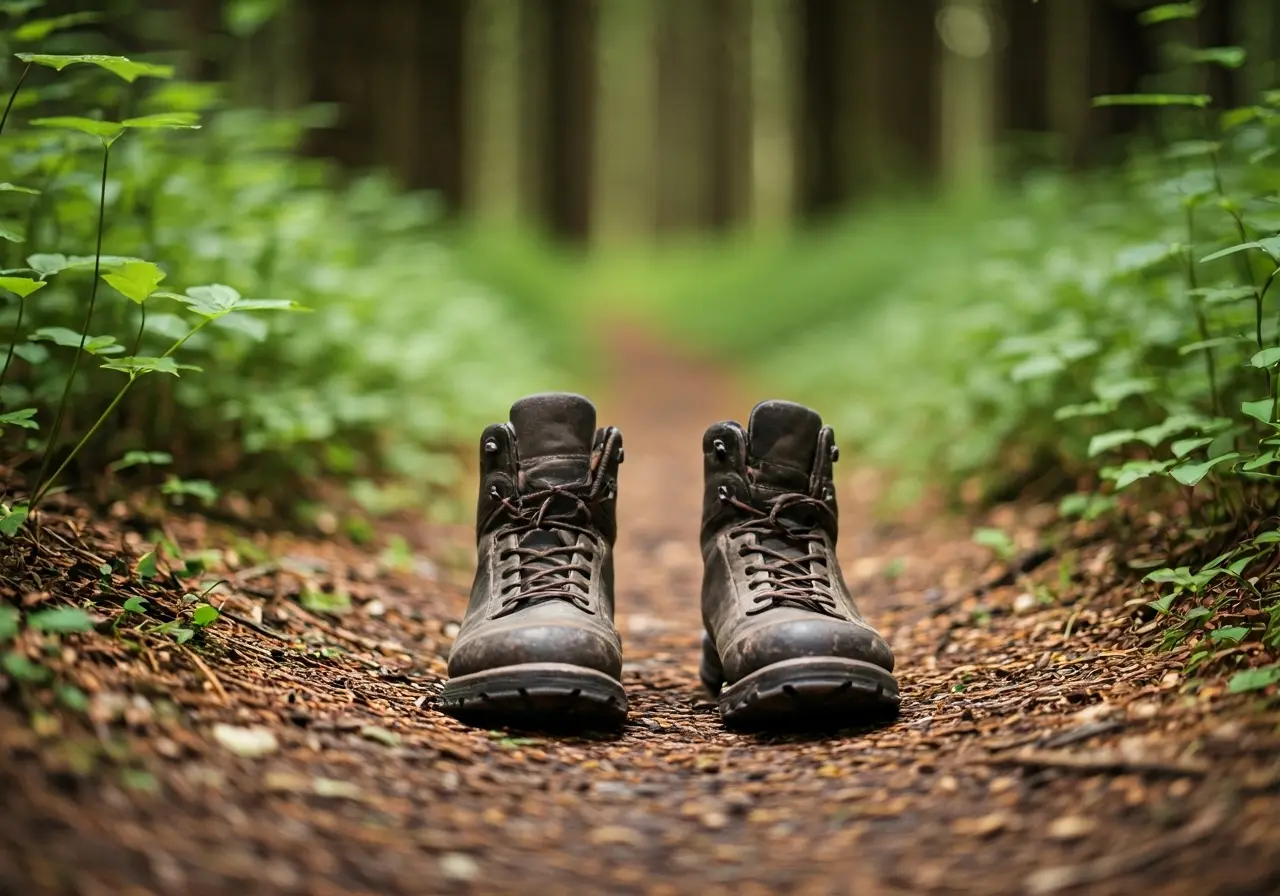
Understanding Barefoot Hiking Boots
Barefoot hiking boots are designed to mimic the feeling of walking barefoot while providing protection from rough terrain. They have a minimalistic design with flexible soles and little to no cushioning, promoting a more natural gait.
The philosophy behind barefoot hiking boots lies in the belief that humans are naturally designed to walk without thick soles. This design facilitates natural foot movement and encourages the use of smaller foot muscles, which are often underutilized in traditional hiking shoes. As a result, wearers often find themselves more attuned to their environment and evenly balanced on varying terrains.
Understanding the difference between traditional hiking boots and barefoot versions is crucial. While regular boots prioritize stability with supportive arches and cushioning, barefoot boots focus on maximizing your foot's natural mechanics, offering a more engaging and immersive hiking experience.
The Benefits of Barefoot Hiking Boots
These boots can enhance your proprioception, or sense of body position, which may improve balance and stability. Additionally, they strengthen foot muscles over time and provide better ground feedback.
Many hikers report a heightened sense of connection with nature when wearing barefoot boots. Feeling the contours of the ground beneath your feet can transform a routine hike into a more vibrant and tactile experience, bringing you closer to the natural world.
A significant advantage is injury prevention. By encouraging proper form and alignment, barefoot boots can reduce the risk of common hiking injuries such as sprained ankles and knee pain. Furthermore, they can contribute to improved posture by engaging core muscles for better body support.
Potential Drawbacks to Consider
While barefoot boots offer benefits, they may not be suitable for everyone. Individuals with certain foot conditions might require additional support. Additionally, hiking in them requires an adaptation period as your feet adjust to less cushioning.
It's important to evaluate the terrain before opting for barefoot boots. Extremely rugged trails with sharp rocks or thorns might pose a challenge, as these boots offer less protection than traditional hiking footwear. Always consider the trail difficulty and your personal comfort level.
Another thing to bear in mind is the climate and weather conditions. Barefoot hiking boots may not provide the same level of insulation as traditional boots, which could be a drawback in cold or excessively wet environments. Make sure to plan your hikes accordingly, taking seasonal weather changes into account.
Tips for Transitioning to Barefoot Hiking Boots
Start slowly by wearing them on short hikes to let your feet adapt. Focus on strengthening exercises and be mindful of any discomfort. Gradually increase your hiking distance as your confidence and comfort with the boots grow.
Incorporating barefoot exercises into your routine can ease the transition. Try activities like yoga or Pilates, which focus on balance and foot strength, to accelerate your adaptation process and enhance overall comfort while hiking.
Patience is key. Listen to your body and adjust your activity level based on feedback. If you experience soreness or discomfort, reduce your distance or switch back to your old hiking shoes until you're ready to progress. Consistent practice and gradual exposure are essential components of a successful switch to barefoot hiking boots.
In Conclusion
Barefoot hiking boots could be a game-changer for your hiking experience. By providing a natural feel and improving foot strength and balance, they offer potential benefits worth considering. Try taking the first step with these boots and see how they transform your outdoor journey. Visit Bearefoot to explore our range and find the perfect fit for your next hike.


- Choosing a selection results in a full page refresh.
!