

Do Comfortable Shoes Help Improve Foot Health?
Choosing the right footwear is an essential part of maintaining foot health. Many people wonder whether comfortable shoes truly make a difference. In this guide, we'll explore how wearing comfortable shoes can impact your foot health and provide some tips to help you choose the best pair for your needs.
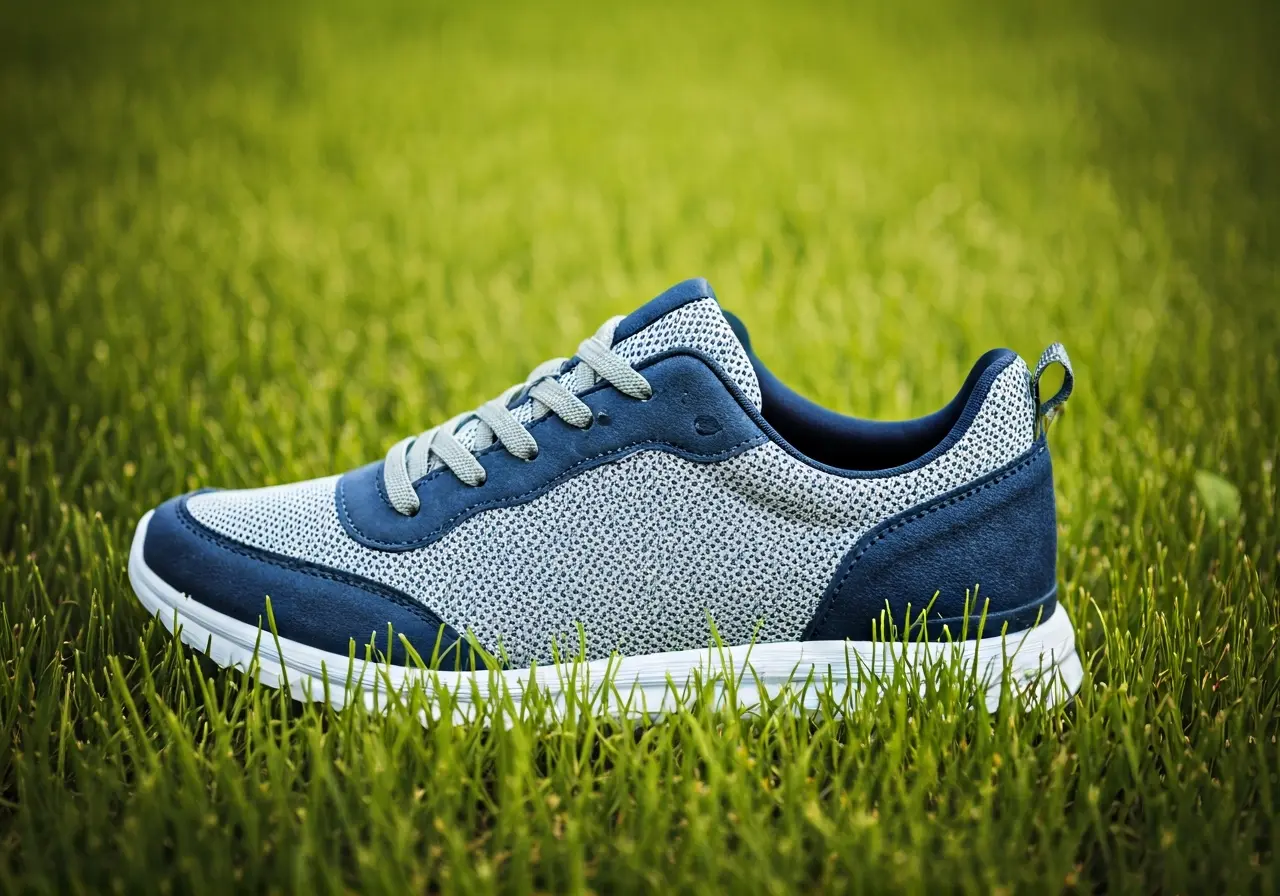
Why Comfortable Shoes Matter
Comfortable shoes provide the necessary support and cushioning that your feet need throughout the day. They help prevent foot fatigue, blisters, and other common issues by ensuring that your feet are well-supported and protected.
The importance of comfortable shoes extends beyond just comfort. They also play a crucial role in the overall biomechanics of your body. When your feet are well-supported, it helps maintain the natural alignment of your legs, hips, and spine. This alignment is vital in preventing long-term damage and pain, making it easier to engage in daily activities without discomfort.
Moreover, wearing comfortable shoes can boost your mood because you're free from the aches and distractions caused by foot pain. This is especially significant for people who spend long hours on their feet, like teachers or healthcare workers. It's essential to prioritize comfort to improve productivity and overall quality of life.
Impact on Foot Health
Wearing comfortable shoes can significantly improve your foot health by reducing the risk of developing conditions such as plantar fasciitis, bunions, and calluses. Properly fitted shoes support the natural alignment of your feet, which can also help alleviate back and joint pain.
An essential aspect of comfortable shoes is adequate arch support. Shoes that provide good arch support help distribute body weight evenly, reducing the strain on the feet and mitigating the risk of developing foot-related issues. For individuals with flat feet or high arches, specific shoe designs can offer necessary support to prevent pain and discomfort.
The material and construction of shoes also play a pivotal role in their impact on foot health. Breathable materials help prevent the growth of bacteria and fungi, reducing the likelihood of infections. Additionally, shoes with shock-absorbing soles can prevent injuries by minimizing the impact on the heels and ankles during walking or running.
Choosing the Right Fit
When buying comfortable shoes, it's important to consider the fit, material, and design. Look for shoes with ample arch support, breathable materials, and a sole that provides good traction. Getting your feet measured and trying on shoes at the end of the day can help you find the perfect fit.
Finding the right fit is essential because shoes that are too tight or too loose can cause discomfort and potential injury. Ill-fitting shoes can lead to blisters, calluses, and even more significant conditions like hammertoes or bunions. For optimal comfort, there's nothing like a well-fitting pair of shoes that adapts to the contours of your feet.
When shopping for shoes, consider having professional fitting sessions. Many shoe stores offer their customers this service to ensure that the shoes you choose match your foot's unique shape and size. Investing the time and effort into finding the right fit will pay off in the long run with comfortable, supportive shoes that keep your feet healthy and happy.
Consider Your Daily Activities
Consider your lifestyle and daily activities when selecting comfortable shoes. Different activities require different levels of support and cushioning. For instance, if you’re on your feet all day, you might need shoes with extra cushioning, while specialized athletic shoes might be best for exercise routines.
For those engaged in sports or high-impact activities, choosing the right footwear is crucial to prevent injuries. Shoes designed for athletics offer enhanced traction, stability, and shock absorption, which are vital for preventing sprains and strains. Likewise, walking or light exercise might necessitate shoes that are more flexible and lightweight.
It's worth noting that different surfaces may require different shoe types as well. Consider shoes with more rugged soles for outdoor activities to ensure durability and grip. By aligning your shoe choices with your specific daily activities, you can ensure both comfort and support throughout your day.
Final Thoughts on Choosing Comfortable Shoes
In conclusion, comfortable shoes play a vital role in maintaining and improving foot health. By providing proper support and cushioning, they help prevent common foot problems and contribute to overall comfort in daily activities. Make sure to consider factors like arch support and material when selecting your next pair of shoes. Discover more about our offerings by visiting Bearefoot.


- Choosing a selection results in a full page refresh.
!