

Embrace Freedom with Barefoot Trekking Shoes: A Step Towards Natural Walking
Embarking on a journey through nature can be a liberating experience. Your connection with the earth deepens, and your steps convey the rhythm of the natural world around you. Barefoot trekking shoes help enhance this journey, providing a minimalist alternative that allows you to walk naturally and embrace the freedom of each stride. In this blog, we will explore the benefits, features, and the science behind barefoot trekking shoes, guiding you towards a more natural walking experience.
Understanding the Concept of Natural Walking
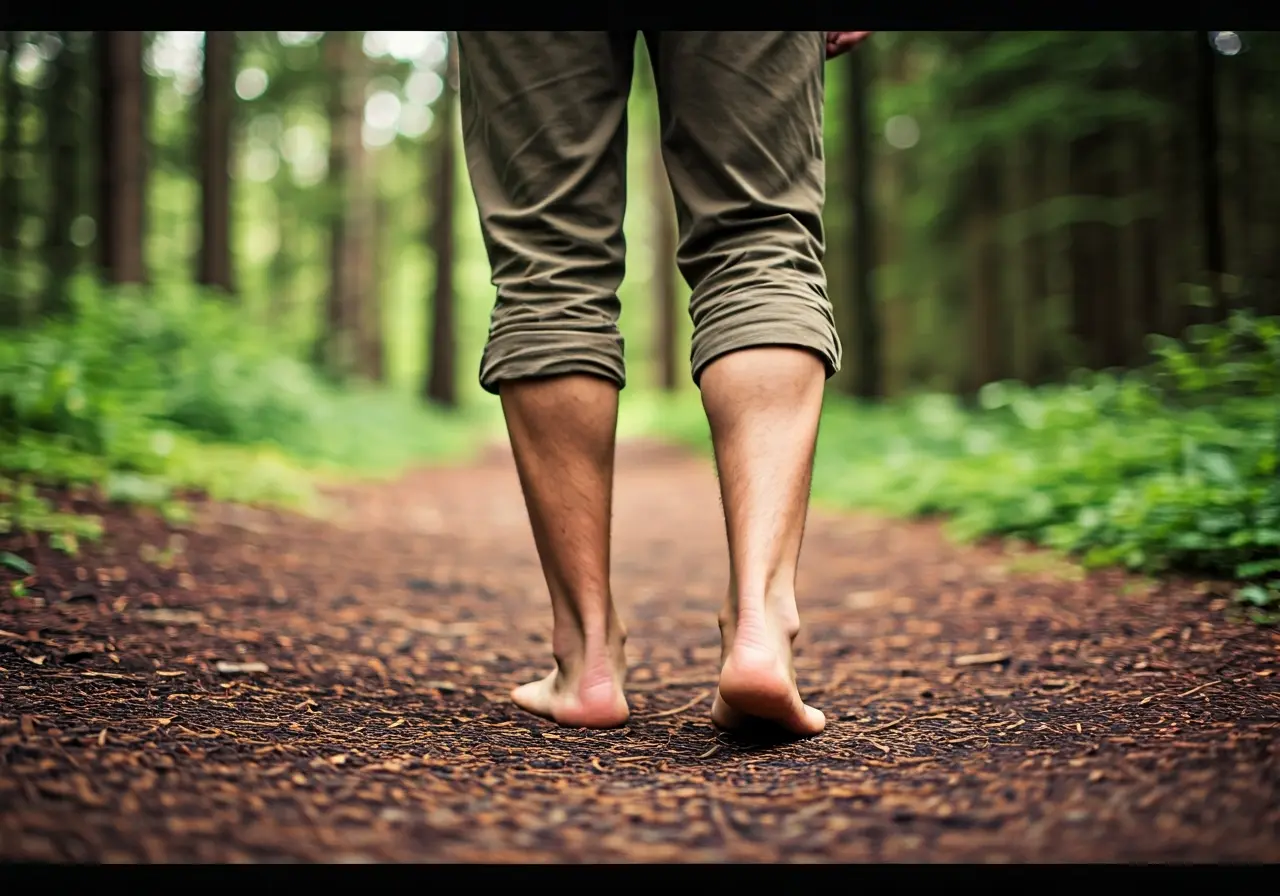
Natural walking refers to the way humans are naturally designed to walk, using our feet as they were originally intended. This concept encourages walking with minimal constraints, allowing the foot to move freely and adapt to the terrain. Barefoot trekking shoes are crafted to simulate this natural walking experience, offering a balance between protection and freedom.
The philosophy behind natural walking advocates reconnecting with the way our ancestors traversed the earth. By eliminating modern footwear technologies that often force our feet into unnatural positions, we allow our bodies to develop stronger, more resilient musculature. This approach fosters a holistic interaction with our surroundings, enabling us to walk with a light yet purposeful step, echoing the ancient art of harmonious locomotion. Embracing this form of movement can lead to numerous benefits, both in physical health and mental clarity, fostering a deeper connection between our mind, body, and environment.
The Benefits of Barefoot Trekking Shoes
Barefoot trekking shoes offer several health benefits. They can improve your posture, strengthen foot muscles, and increase balance and agility. Walking in these shoes allows your feet to feel the ground beneath them, promoting a more stable and centered stride. This natural feedback aids in reducing joint stress and preventing injuries.
In addition to physical health improvements, wearing barefoot trekking shoes can also enhance your environmental awareness. By feeling subtle changes in terrain, you become more attuned to the natural world, noticing the small details that might otherwise go unnoticed. This heightened awareness not only broadens your sensory experiences but also cultivates mindfulness, which is a key component in stress reduction and mental well-being. The simplicity of barefoot trekking shoes invites a slower, more intentional pace, allowing you to savor each step and appreciate the vibrant tapestry of nature unfolding around you.
Another significant benefit of barefoot trekking shoes is their potential for reducing environmental impact. These shoes are typically composed of minimal materials, resulting in less waste and a smaller carbon footprint during their production. Opting for barefoot shoes can align your lifestyle more closely with sustainable practices, fostering a sense of responsibility towards preserving the natural habitats we enjoy while trekking. Owning a pair becomes not just about personal health but also about making conscious choices that reflect our dedication to environmental stewardship.
Key Features of Barefoot Trekking Shoes
Barefoot trekking shoes are designed with a minimalist approach, featuring a thin sole for maximum ground feel. They are lightweight and flexible, adapting effortlessly to the shapes and contours of trails. The shoes offer a snug fit, holding the foot securely without restricting movement, providing a sense of freedom with every step.
A key feature often celebrated in barefoot trekking shoes is their breathability. Made from materials that allow for optimal airflow, these shoes help to keep feet cool and dry, reducing the risk of blisters and discomfort during long treks. Moreover, the durable materials used in these shoes are often sourced with sustainability in mind, reinforcing their role in environmentally conscious trekking choices. The blend of practicality and comfort ensures that your trekking experience is unhindered, allowing you to fully immerse yourself in the wondrous landscapes you explore.
Beyond their physical characteristics, many barefoot trekking shoes come equipped with features designed for the modern adventurer, such as anti-slip soles. This ensures safety on varied terrains, from wet rocks to dusty trails, enhancing stability and confidence with every step. Some models even incorporate easy-to-use lacing systems, providing quick adjustments on-the-go, which is particularly beneficial when tackling diverse routes where terrain changes frequently. These thoughtful elements serve to enrich your outdoor experiences, marrying innovation with the timeless art of natural walking.
The Science Behind Barefoot Footwear
The science of barefoot footwear revolves around the idea of harnessing the natural biomechanics of the human foot. Research suggests that the proprioceptive feedback from minimal shoes can improve sensory perception and help in developing a more natural gait. This, in turn, may lead to enhanced foot health and a reduction in overuse injuries.
Studies have shown that conventional shoes with thick soles can inhibit the natural motion of the foot, leading to a reliance on the cushioning provided by footwear rather than muscle strength. Barefoot trekking shoes, however, promote muscle engagement by allowing the foot to make direct contact with the ground. This interaction improves the foot's natural ability to spring and absorb shocks, which is a crucial element in injury prevention. Notably, research indicates that returning to a more natural form of walking can significantly counteract the biomechanical disadvantages imposed by traditional footwear.
Embracing barefoot footwear also engages the body's natural feedback loop, an essential process in maintaining joint alignment and overall body balance. This loop is central to developing a gait that maximizes efficiency and minimizes wear and tear on joints over time. Moreover, by fostering stronger neuromuscular connections, minimalistic shoes aid in enhancing overall proprioception, leading to improved coordination and agility. These scientific insights continue to underscore the transformative potential of adopting barefoot trekking shoes as a reliable partner in pursuing an active, sustainable lifestyle.
Choosing the Right Barefoot Trekking Shoes for You
Selecting the perfect pair of barefoot trekking shoes involves considering several factors, such as your trekking environment and personal preference in terms of fit and feel. Try on different styles, paying attention to how they accommodate your foot structure, and select a pair that feels comfortable, supportive, and flexible enough to transition to natural walking.
When exploring different terrains, the right pair of barefoot shoes should cater to varying environmental conditions—whether rocky, muddy, or sandy. Consider the grip and durability of the shoe's sole material, as these will affect your stability and safety. Additionally, investing time in understanding your foot's natural arch and width can ensure a snug fit that enhances your walking experience, preventing common issues like slipping or the development of blisters.
Step Into Nature with Confidence
Barefoot trekking shoes offer a transformative approach to connecting with nature through walking. They empower you to experience the world in a way that enhances both physical health and mental well-being. By embracing the natural walking experience, you not only benefit from improved posture and stronger muscles but also from the sheer joy of walking as nature intended. Embrace the freedom and take a step towards natural walking today.


- Choosing a selection results in a full page refresh.
!