

Exploring Eco-Friendly Materials in Barefoot Design Shoes
In recent years, there's been a significant shift towards sustainability in the fashion industry, and barefoot design shoes are no exception. With an increasing number of eco-conscious consumers, brands are exploring innovative materials to create shoes that are not only kind to your feet but also gentle on the planet. In this blog, we'll delve into some of the eco-friendly materials used in barefoot design shoes and see how they're making a difference.
Understanding Barefoot Design
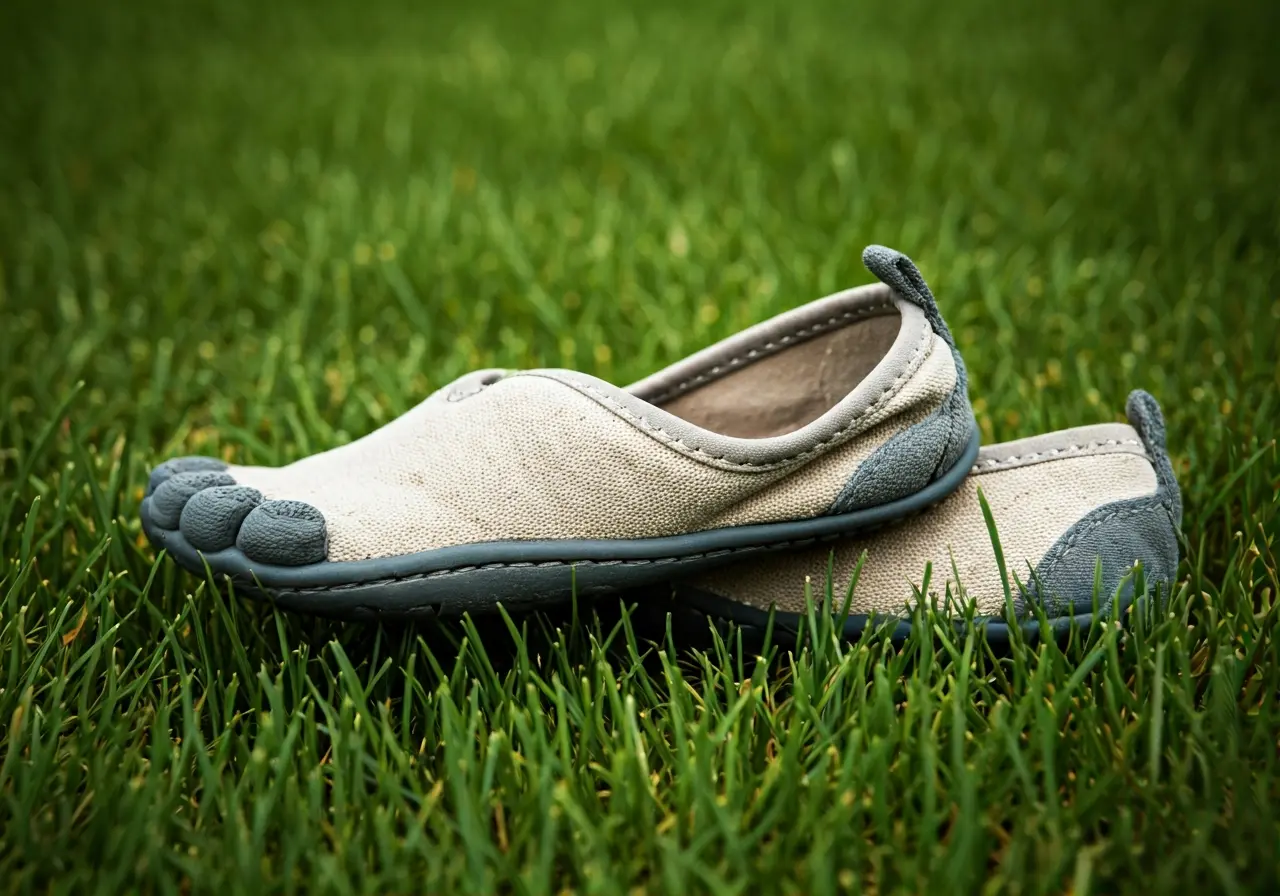
Barefoot design shoes aim to mimic the natural shape and movement of the foot, offering comfort and flexibility. This concept is not only about promoting foot health but also about embracing minimalist lifestyles that favor simplicity and sustainability.
The concept of barefoot design revolves around the idea of less is more. By removing excessive cushioning and arch support, these shoes encourage natural foot mechanics and strength development. They provide a closer connection to the ground, enhancing balance and proprioception. This minimalist approach aligns with eco-friendly principles by reducing the use of unnecessary materials, yielding a smaller environmental footprint. Embracing minimalism in shoe design aids in making mindful choices that prioritize functionality and sustainability over superficial elements.
The Role of Eco-Friendly Materials
Incorporating eco-friendly materials into barefoot design shoes is crucial for reducing the environmental impact of shoe manufacturing. These materials help decrease carbon footprints and waste, leading to more sustainable practices in the footwear industry.
Eco-friendly materials, such as recycled plastics and natural fibers, have become pivotal in reshaping how shoes are produced. Utilizing resources that have lower environmental impacts, these materials allow manufacturers to reduce energy consumption and pollution during the production process. Furthermore, they often provide ethical alternatives by lessening reliance on unsustainable resources. When consumers choose shoes crafted from these materials, they are supporting a system that prioritizes replenishing the earth's resources and innovating sustainable manufacturing practices.
Moreover, eco-friendly materials contribute to a circular economy where materials are continuously repurposed, promoting longevity and responsibility. Choosing materials that can be easily recycled or naturally decomposed prevents the accumulation of waste, gradually reducing the enormous amounts of discarded shoes cluttering landfills every year. The utilization of sustainable materials in shoes is a testament to fashion's ability to evolve and adapt, ensuring future generations inherit a cleaner, healthier planet.
Natural Fibers: Cotton and Hemp
Cotton and hemp are popular natural fibers used in eco-friendly barefoot shoes. They offer breathability, durability, and biodegradability, making them excellent choices for environmentally conscious footwear.
Cotton's advantages in footwear extend beyond its comfort and breathability. As a natural fiber, it is easy to cultivate, and when grown organically, it requires significantly less water and no harmful pesticides, thus reducing the impact on ecosystems. Similarly, hemp is a wonder plant in terms of sustainability. It grows quickly, revitalizes soil health, and requires minimal water. These properties make hemp not only a sturdy material for shoes but one that nurtures the environment as it grows.
Both fibers help in producing shoes that are not only functional but also ethical. The biodegradable nature of cotton and hemp means that once their life cycle as footwear is over, they return to the earth with minimal ecological impact. This aligns with the values of eco-conscious consumers who advocate for products that uphold ethical manufacturing processes from start to finish. Supporting footwear brands that use cotton and hemp contributes to an industry-wide shift towards more thoughtful production choices.
Recycled Materials: Giving Plastics a Second Life
Recycling plastics into shoe components reduces landfill waste and conserves natural resources. This process not only supports sustainability but also showcases innovation in creating high-quality, eco-friendly footwear.
The transformation of used plastics into durable footwear materials is a marvel of modern recycling efforts. By repurposing plastic waste into components such as shoe soles and uppers, manufacturers are tackling pollution head-on and taking a step toward a zero-waste future. This repurposing process not only preserves the integrity of used materials but also lessens the demand for new plastic production, ultimately reducing greenhouse gas emissions and resource usage. The ingenuity behind recycled components highlights the limitless potential within the shoe industry to integrate sustainability with innovation.
Products crafted from recycled materials challenge traditional footwear paradigms and embody the principles of environmental stewardship. They provide consumers with the opportunity to actively participate in global waste reduction efforts while enjoying top-quality footwear built to last. With every pair of shoes made from recycled plastics, we are reminded of the role we all play in prolonging the life cycle of materials and conserving our planet's resources.
Sustainable Leather Alternatives
Moving away from traditional leather, companies are turning to sustainable alternatives like mushroom leather and pineapple fibers. These materials offer similar durability and aesthetic appeal while reducing harm to animals and the environment.
The surge of innovation in bio-based leather alternatives is transforming footwear industries, providing solutions that balance style, durability, and ecological mindfulness. Mushroom leather, for example, is derived from the root structure of mushrooms called mycelium. It's processed to mimic the strength and texture of animal leather, offering a guilt-free option to conscientious consumers. Similarly, pineapple fibers, known as Piñatex, use the waste leaves of harvested pineapples, giving rise to a leather-like material that is both environmentally benign and economically savvy for the farming communities involved in its production.
These advancements demonstrate how sustainable technology can replace traditional processes with eco-friendly alternatives without sacrificing quality or aesthetics. Not only do these materials reduce reliance on animal agriculture and cut down emissions associated with livestock, but they also lessen the chemical treatments required for conventional leather production. Embracing these sustainable options paves the way for a fashion industry that respects both natural ecosystems and consumer preferences for ethically made products.
Stepping Forward with Sustainable Choices
The journey towards sustainable footwear is exciting and full of possibilities. Barefoot design shoes are proving that combining comfort with environmental responsibility is achievable and worthwhile. As consumers, choosing shoes made from eco-friendly materials is a step forward in supporting sustainable practices. By doing so, we contribute to a healthier planet and set a positive trend in the fashion industry. To explore our range of sustainably designed shoes, visit our homepage.


- Choosing a selection results in a full page refresh.
!