

The Perfect Companion: Why Choose Barefoot Shoes for Hiking Trails
When it comes to hiking, choosing the right footwear is crucial for both comfort and safety. Recently, barefoot shoes have gained popularity on hiking trails, offering a unique experience that connects you more closely to nature. In this blog, we'll explore why barefoot shoes are becoming the preferred choice for hiking enthusiasts.
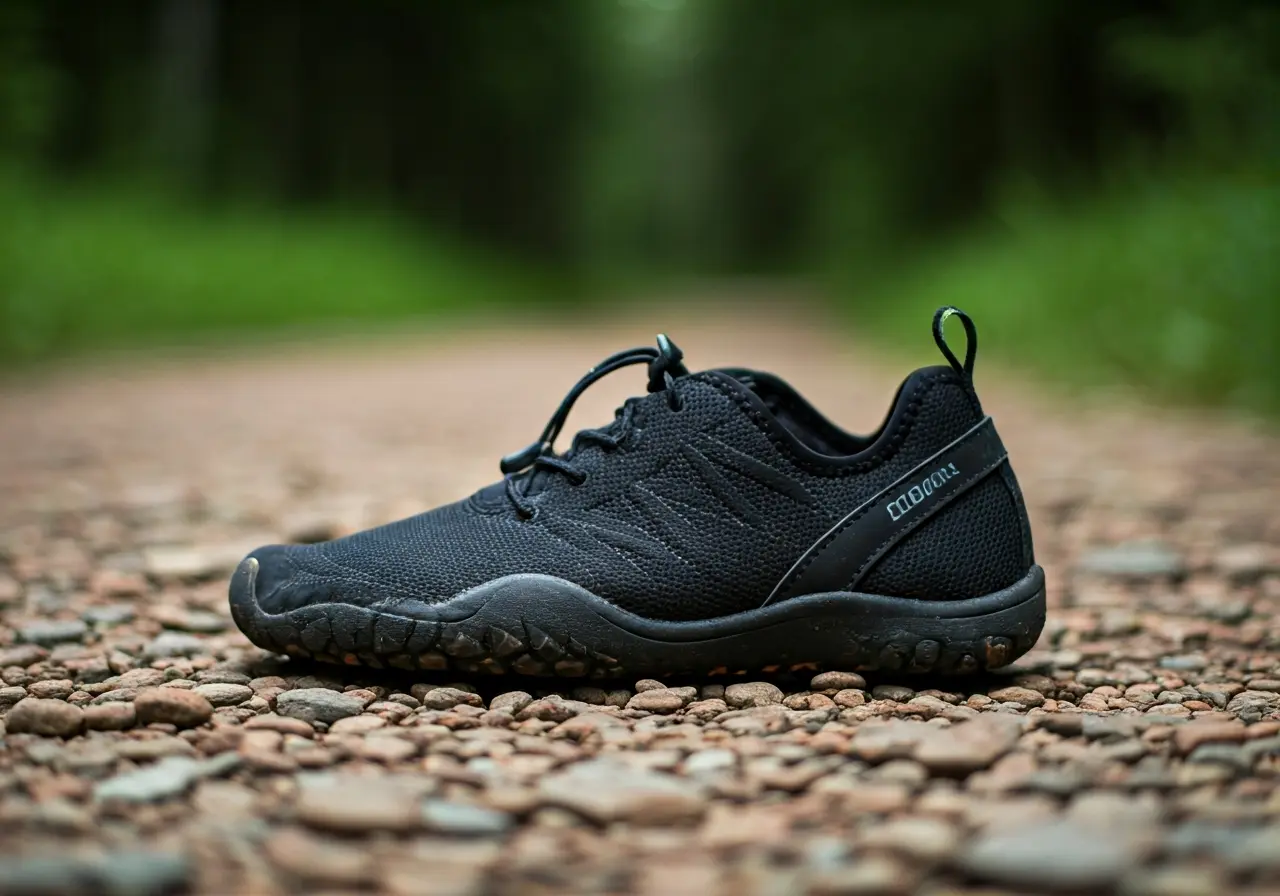
Understanding the Concept of Barefoot Shoes
Barefoot shoes are designed to mimic the natural shape and function of your foot while providing a minimalistic layer of protection from rough surfaces. They allow your toes to splay naturally, promoting better balance and agility during hikes.
The philosophy behind barefoot shoes is deeply rooted in the idea of returning to our natural walking and running mechanics. Our ancestors walked and ran without the aid of modern footwear, which can often constrict or alter the way we move. By allowing your feet to move as they were originally intended, barefoot shoes provide a more holistic and natural approach to hiking. This allows you to not only connect more with the environment but also rediscover the simple joys of walking and running.
Benefits of Barefoot Shoes on Hiking Trails
Switching to barefoot shoes brings numerous benefits, such as improving posture, enhancing proprioception, and strengthening foot muscles. They encourage a more grounded hiking experience where you can intimately feel the textures underfoot, offering a unique way to engage with the environment.
As you step onto the trail with barefoot shoes, you'll notice how they promote a more natural gait. The adaptable sole of the shoes allows your foot to move freely without the restrictions typically imposed by conventional hiking boots. By doing so, your feet can actively respond to uneven terrains, improving your balance and coordination over time. Additionally, the thin layer separating your foot from the ground enhances sensory feedback, enabling you to be more aware of your surroundings and reducing the likelihood of slipping or tripping.
How to Choose the Right Barefoot Shoes for Hiking
Selecting the perfect pair of barefoot shoes involves considering the terrain you’ll be hiking on, the level of cushioning you prefer, and the fit. Look for shoes that offer flexibility, durability, and a breathable design to ensure comfort during long hikes.
Embarking on the search for the ideal barefoot shoes means paying attention to several key features. First, consider the terrain you will most frequently encounter, whether rocky, muddy, or forested. Different terrains may require specific sole patterns for optimal traction. Moreover, focus on the material quality; a good pair of barefoot shoes should be made from durable yet lightweight materials to withstand the rigors of hiking. Lastly, ensure that the shoes fit snugly without being too tight, as this prevents chafing and allows for maximum foot freedom.
Transitioning Smoothly to Barefoot Hiking
Transitioning to barefoot hiking requires time and patience. Start with short hikes to allow your feet to gradually adapt to the new style. This ensures you build up the necessary muscle strength and adaptability, reducing the risk of injury.
During the initial phase, listen to your body and gradually increase the duration and intensity of your hikes. Consider incorporating foot strengthening exercises, such as toe lifts and arch strengthening, into your routine to facilitate a smoother transition. Pay attention to any discomfort or pain, adjusting your activities accordingly. Transitioning not only helps in adapting your muscle memory but also allows you to become accustomed to the new sensory input received from direct contact with the trail.
Success Stories: Hikers' Experiences with Barefoot Shoes
Many hikers have shared their positive experiences of switching to barefoot shoes, noting improvements in foot and joint health as well as a more connected feel to hikes. Hearing these stories can inspire you to try out barefoot hiking for yourself.
Stories from fellow hikers often highlight a newfound enjoyment in hiking that comes with barefoot shoes. Many describe an uplift in their overall energy levels and a more engaging trail experience, recounting how the increased sensations underfoot allowed them to appreciate the subtle nuances of different terrains.
Some individuals even report relief from longstanding foot issues like plantar fasciitis and bunions after making the switch, while others enjoy the seamless integration of barefoot shoes into various outdoor activities, not just hiking. Overall, these success stories can serve as a testament to the transformative benefits that barefoot shoes can offer. They offer a real-world glimpse into how these shoes can revamp not only your approach to hikes but also your lifestyle.
Step Into a New Hiking Experience
Embracing barefoot shoes for your hiking adventures can transform the way you connect with nature. Not only do they promote better foot health and natural movement, but they also enhance your overall hiking experience. So next time you head out on a trail, consider stepping into the world of barefoot shoes and enjoy the freedom and flexibility they provide.


- Choosing a selection results in a full page refresh.
!