

What Should You Look for When Choosing Outdoor Shoes?
Choosing the right outdoor shoes is crucial for comfort and performance during your adventures, whether it's hiking, trail running, or just a walk in the park. With so many options available, finding the perfect pair can be overwhelming. This guide will help you navigate the important aspects to consider when selecting outdoor shoes.
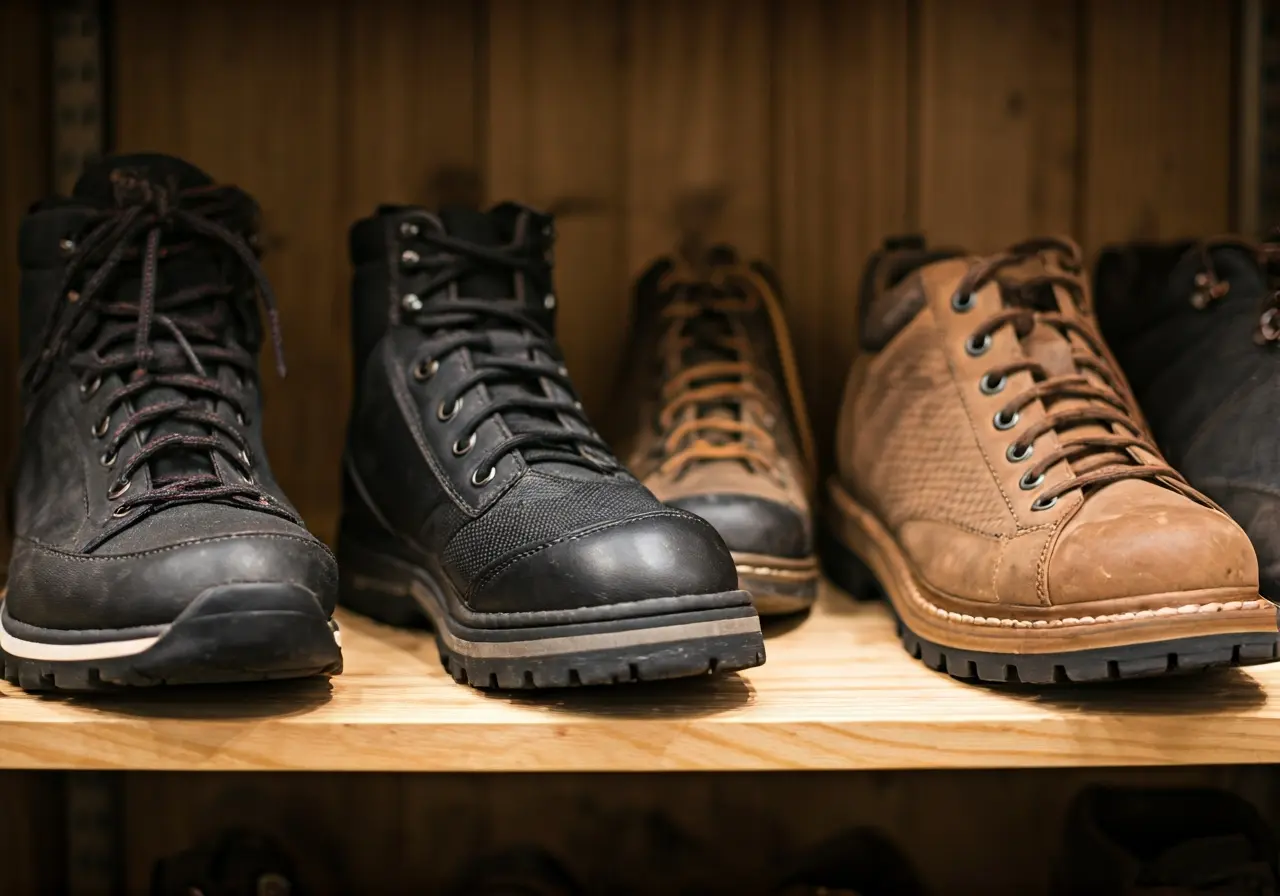
Determine the Purpose of Your Shoes
The first step is understanding what activities you'll be doing. Hiking requires different shoes than running or casual walking. Identifying your primary use will narrow down your options significantly.
For instance, if your outdoor adventures mainly involve hiking on rugged terrain, consider shoes with ankle support and a sturdy sole. Conversely, if you're more inclined toward trail running, lightweight and breathable shoes designed specifically for trail conditions are ideal.
If daily walks in the neighborhood park are your preference, comfort should be your top priority. Shoes designed for everyday wear tend to have more cushioning and flexibility to accommodate longer periods on your feet.
Consider the Terrain and Weather
Different terrains require different features in a shoe. For rocky terrains, you might need shoes with more grip and support. Also, consider weather conditions. Waterproof shoes are essential in wet environments.
For snowy conditions, insulated and waterproof boots can keep your feet warm and dry. In contrast, for desert conditions, lightweight and breathable shoes can help your feet stay cool.
Don't forget about trails that may offer a mix of different surface types. Shoes with multi-surface grip and flexibility will provide the versatility you need. Also, adding a water repellent treatment to your shoes can provide extra protection against unexpected weather changes.
Check for Comfort and Correct Fit
Comfort is crucial when it comes to outdoor shoes. Look for shoes that provide ample cushioning and support. Ensure the shoes fit well, leaving enough room for toe movement while being snug enough to prevent slipping.
Properly fitted shoes can prevent blisters and other foot-related injuries. Try on shoes at the end of the day when your feet are at their largest to ensure a good fit.
Consider the arch support, as this can significantly affect comfort levels, particularly for long-duration activities. Custom orthotics may be worth considering if you have specific foot needs. Additionally, experiment with various lacing techniques to enhance fit and comfort.
Evaluate the Shoe Material and Durability
The material of the shoe impacts its breathability, weight, and durability. High-quality materials often offer better protection and longevity. Consider the lifespan of the shoe for your specific activity levels.
Leather and synthetic materials each have their advantages—leather offers durability and protection, while synthetic materials generally offer breathability and lightness. Evaluate which characteristics suit your needs best.
Look for reinforced stitching and high-quality soles to ensure your shoes can handle the demands of your particular activities. Shoes with reinforced areas in high-wear zones will generally need less frequent replacements.
Budget Considerations
While it's tempting to cut costs, investing in quality outdoor shoes is worth it for long-term comfort and durability. Set a budget that allows you to choose a pair that meets your needs without compromising on essential features.
Consider the cost-per-wear metric to better assess the value of potential shoes. High-quality shoes may have a higher upfront cost, but their durability and performance can mean they're more economical over time.
Remember that certain specialty features, like waterproofing or enhanced grip, often increase the price. Balancing your budget with the desired features can help achieve the best value for your investment.
Final Thoughts on Choosing the Perfect Outdoor Shoes
Selecting the right outdoor shoes involves considering multiple factors such as intended activity, fit, durability, and price. Prioritize comfort and functionality to ensure your outdoor experiences are enjoyable. By following these guidelines, you will be well on your way to finding the perfect pair of outdoor shoes.


- Choosing a selection results in a full page refresh.
!