

Why Are Comfortable Shoes Important for Natural Movement?
Have you ever considered how the shoes you wear affect the way you move? Comfortable shoes aren't just a luxury; they're a key component in maintaining natural movement. In this FAQ, we'll explore why choosing the right footwear plays a critical role in how you walk and move, keeping you comfy and mobile.
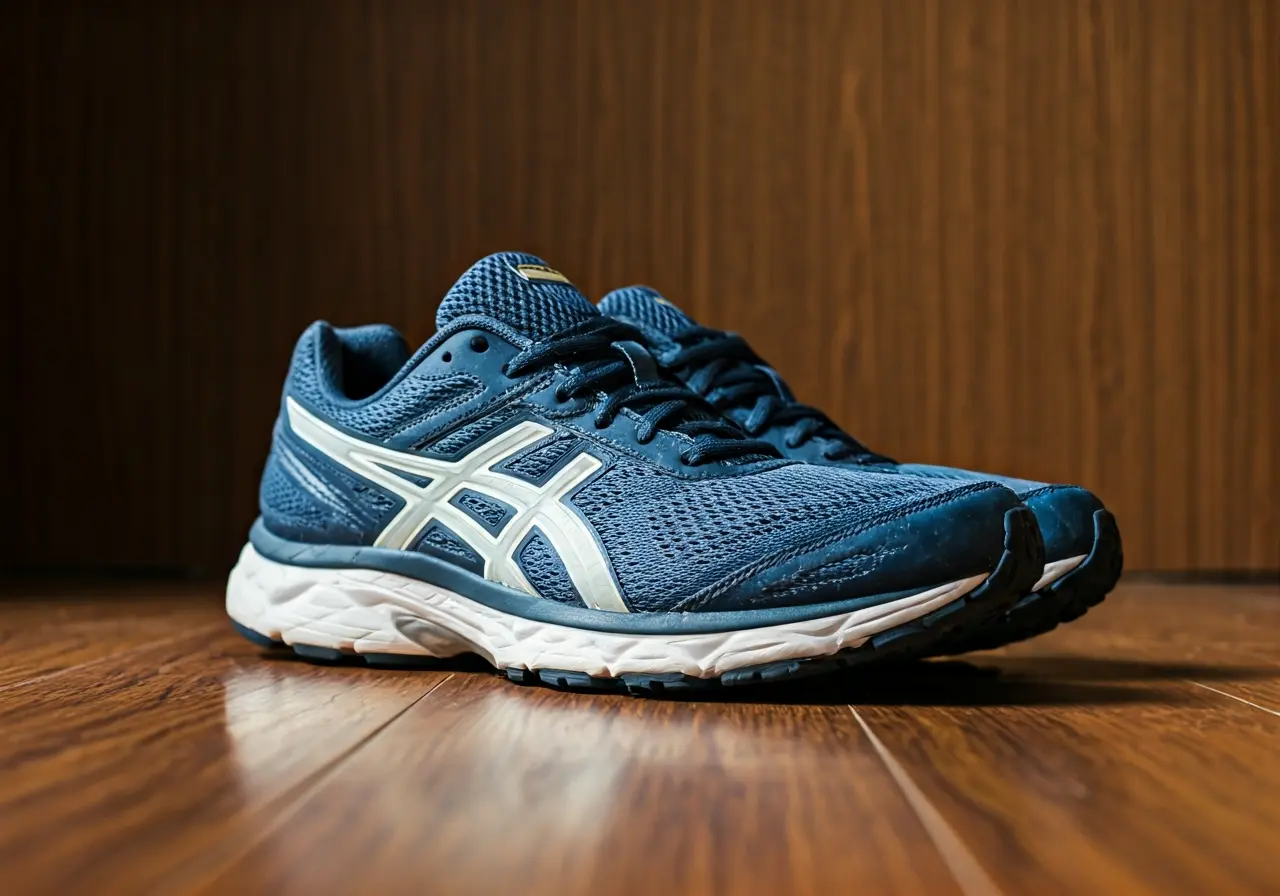
Understanding Natural Movement
Natural movement involves allowing your body to move as it was designed to. This means no restriction in movement and promoting a healthy gait and posture. By mimicking barefoot walking, comfortable shoes provide correct alignment, supporting the natural arches and dynamics of your feet.
>The concept of natural movement isn't new but has gained attention recently due to its impact on overall health.
By being supportive yet unrestrictive, comfortable shoes facilitate effortless walking, leading to significant health benefits.
How Comfortable Shoes Enhance Mobility
Comfortable shoes provide the perfect balance between support and flexibility, allowing your feet to move naturally. They reduce stress on joints and muscles, which helps prevent injuries and fatigue, ultimately enhancing your mobility.
When shoes fit well and don’t put undue pressure on certain areas, they enable longer walking durations and reduce the likelihood of cramps or strains.
Think of shoes as an extension of your body. The less you notice them, the more they're allowing you to move naturally, effortlessly, and comfortably.
The Role of Shoes in Preventing Injuries
Good footwear not only supports your arches but also cushions the impact your feet experience every day. This reduces the risk of common foot problems such as blisters, bunions, and plantar fasciitis.
Shoes that align well with your foot shape can prevent overpronation and promote better body mechanics overall. This means your knees, hips, and spine benefit, too!
Consider that a well-designed sneaker can absorb shock and mitigate wear on the knees, making them an invaluable tool in your fitness arsenal.
Key Features of a Good Comfortable Shoe
Look for shoes that provide adequate cushioning, arch support, and a good fit. Breathable materials and a flexible sole can enhance comfort and allow for more natural foot movement.
Notably, a wide toe box lets your toes splay naturally, ensuring better balance and less likelihood of injury. Your shoes should work with your foot shape and not against it.
>Durability is, of course, critical. The best shoes feel as good on your feet in month 12 as they do in month one.
Tips for Choosing the Right Comfortable Shoes
Consider trying shoes later in the day when your feet are naturally swollen. Test them by walking around the store and focus on fit, feel, and function over anything else.
It's helpful to bring the socks you plan on wearing with the shoes when you shop—this small difference can affect fit.
>If you have any custom orthotics, make sure the shoes accommodate them comfortably.
Final Thoughts on Comfortable Shoes and Natural Movement
Choosing comfortable shoes isn't just about luxury—it's essential for natural movement and overall well-being. The right footwear can prevent injury, support your body, and allow you to move with ease, enhancing both comfort and health. Remember, your shoes should adapt to you, not the other way around!


- Choosing a selection results in a full page refresh.
!