

Why Shoes for Neuropathy Are Essential for Healthy Feet
Living with neuropathy can be challenging, especially when it comes to finding the right footwear. Neuropathy often leads to reduced sensation or pain in the feet, making it crucial to choose shoes that offer proper support and comfort. In this blog, we'll explore why shoes for neuropathy are essential for maintaining healthy feet and what features to look for in the perfect pair.
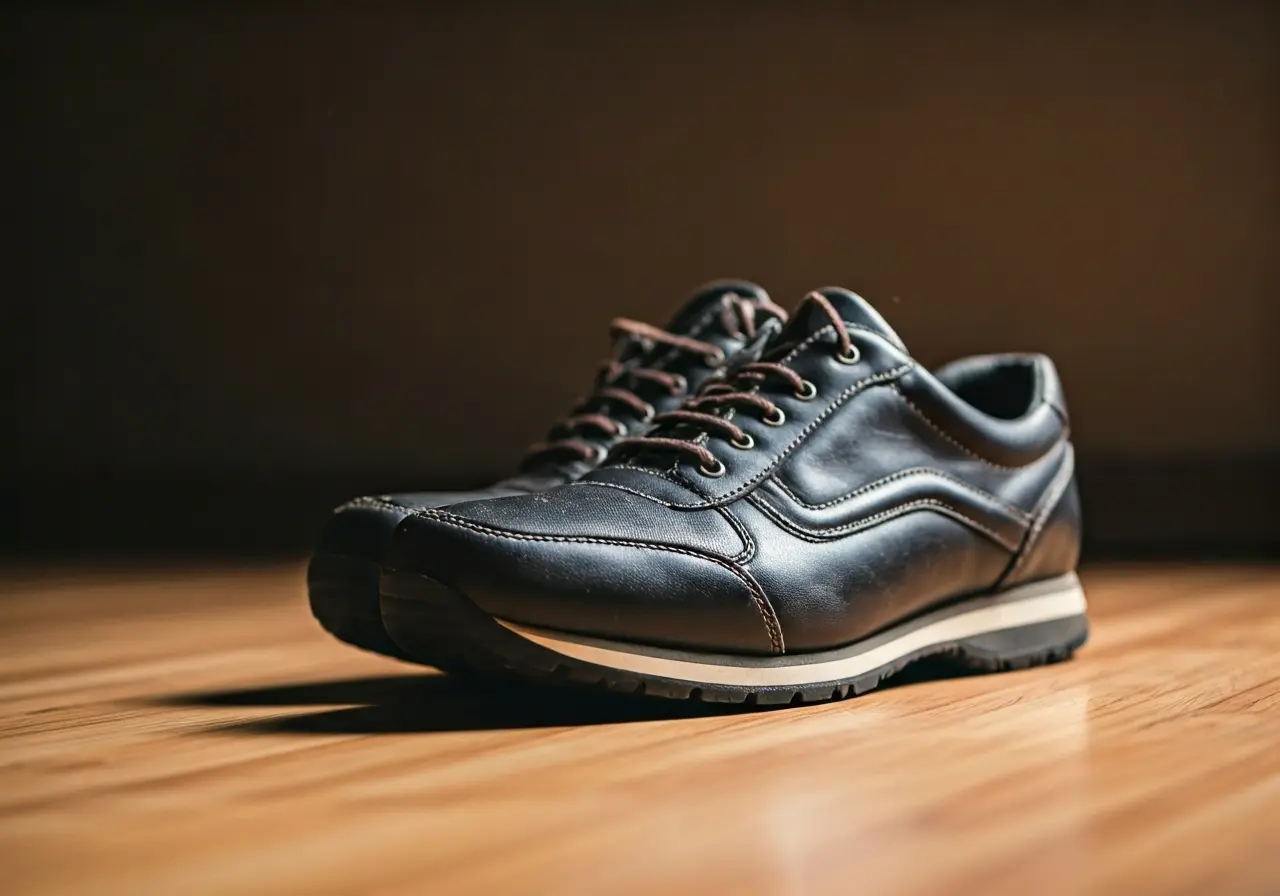
Understanding Neuropathy and Its Impact on Feet
Neuropathy affects the nerves and can lead to symptoms like numbness, tingling, or pain in the feet. These symptoms can make it difficult to detect injuries or pressure points, increasing the risk of complications. Understanding these challenges is the first step in selecting shoes that can help alleviate discomfort and protect your feet.
When it comes to neuropathy, the lack of sensation in the feet can be especially dangerous. Without the ability to feel discomfort or pain, minor foot issues can go unnoticed and escalate into serious problems. For example, a small blister or cut may not be immediately detected, leading to infections or ulcers if left untreated. This underscores the critical need for protective footwear that provides not just comfort, but also protection against potential injuries that individuals with neuropathy are more susceptible to.
Moreover, the way neuropathy alters the biomechanics of walking and standing can further exacerbate foot issues. Poor nerve connection can lead to improper gait, further stressing the muscles and joints and resulting in additional foot problems. Shoes designed for neuropathy help in correcting these issues by supporting the natural position and movement of the foot, preventing additional strain and injury.
Key Features of Shoes for Neuropathy
When looking for shoes for neuropathy, it's important to focus on features like cushioning, arch support, and a wide toe box. These features can help distribute pressure evenly across the foot, reduce friction, and provide the necessary support to prevent further nerve damage.
Cushioning is perhaps one of the most vital aspects of a shoe designed for neuropathy. Ample cushioning absorbs impact, providing a softer landing for each step, which is crucial for those with diminished sensation. The choice of arch support is equally significant as it helps maintain proper alignment while reducing strain on the plantar fascia, thereby minimizing pain.
Another essential feature is the extra depth and broad toe box that allows more space for the feet. This design caters to swelling and the need for custom orthotics. The generous room within the shoe minimizes rubbing and prevents painful calluses and sores which people with neuropathy are particularly prone to developing.
The Importance of Fit and Material
A proper fit is crucial for neuropathic feet. Shoes should be snug but not tight, allowing room for any foot swelling. Additionally, choosing the right materials—breathable and flexible ones like leather or mesh—can prevent irritation and promote foot health.
Opting for breathable materials is not just about comfort; it's essential for preventing moisture build-up that can lead to fungal infections. Materials like mesh or leather have added benefits in terms of flexibility and adaptability, making it easier for shoes to conform gently to foot contours without causing pressure points or stiffness.
Moreover, a good fit extends beyond just anti-slip soles and secure fastenings—it includes considerations like shoe weight and interior padding. Lightweight shoes reduce fatigue and make walking easier, while extra padding protects delicate skin, which is another priority for people living with neuropathy.
Expert Recommendations for Choosing Neuropathy Shoes
Experts recommend visiting a specialist to get your feet measured and assessed for the best shoe recommendations. Additionally, considering custom orthotics can be beneficial in providing tailored support and relief.
An often underutilized step is consulting with a podiatrist who can offer insights not just into the best types of shoes but also prevention and management strategies for neuropathy-related issues. Many podiatrists suggest a holistic approach to foot care that includes stretching exercises, regular foot checks, and using the right footwear as part of an integrated treatment plan.
Finally, trying on shoes at the end of the day, when feet are most swollen, can ensure a better fit. It's a small but effective strategy to guarantee comfort throughout daily activities. Remember, shoes are more than just an accessory for people with neuropathy; they are a vital tool for enhancing mobility and independence.
Take the Right Step Towards Foot Health
Choosing the right shoes for neuropathy isn't just about comfort—it's about safeguarding your foot health and overall well-being. With the right pair, you can enjoy your daily activities without the worry of discomfort or injury. Prioritize your foot health by investing in shoes specifically designed to meet the unique needs of neuropathic feet.


- Choosing a selection results in a full page refresh.
!